ACUPUNCTURE & ANTI-AGING: A NATURAL (NOTOX) APPROACH TO BEAUTY
Have you ever wondered why Asian women often have alabaster, youthful-looking skin?
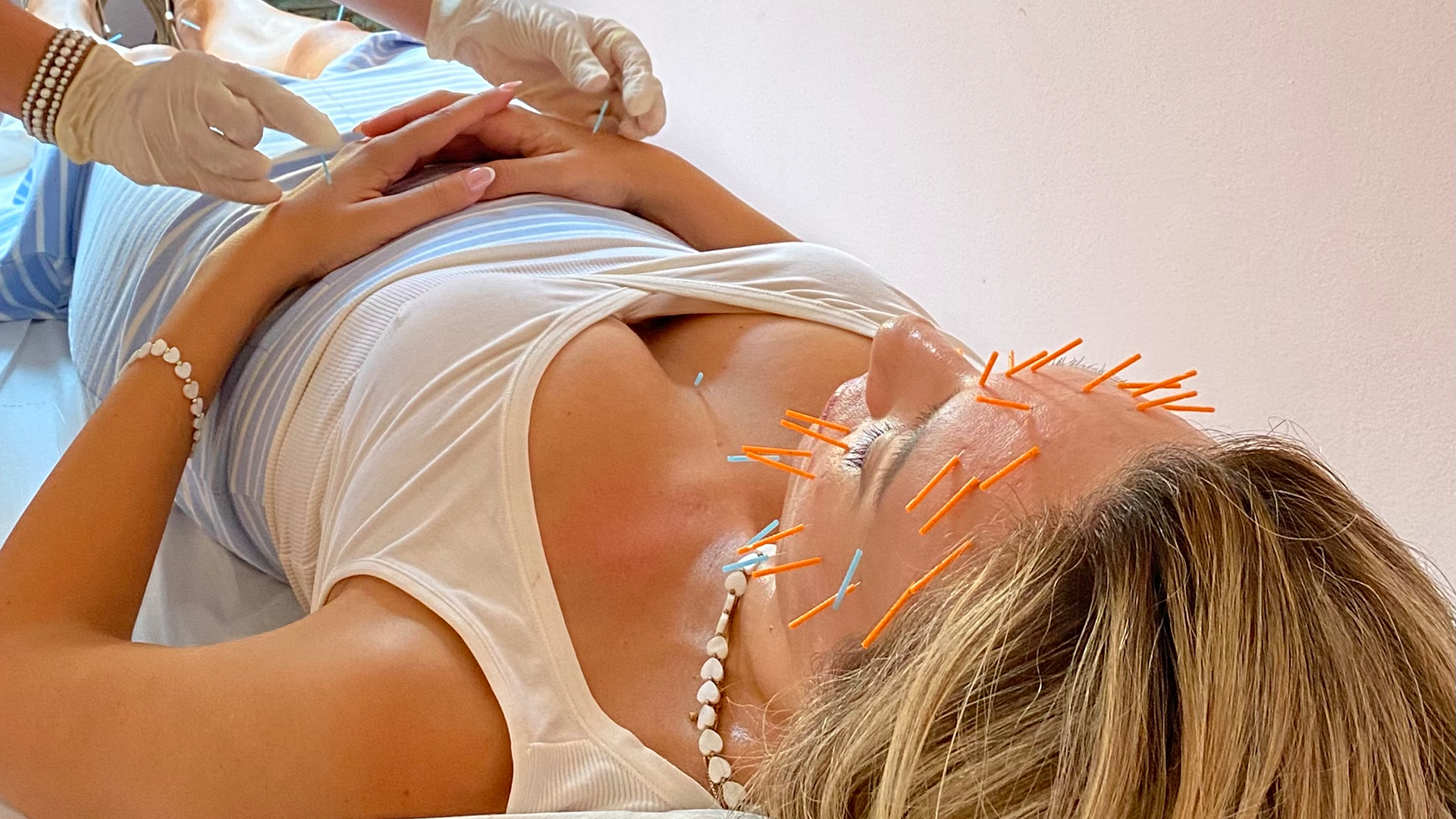
Many believe that the firm, youthful faces of Asian populations are due to their diet; others attribute them to stress-reduction practices such as meditation, acupuncture, tai chi, and similar techniques, while some point to genetics. The real secret, however, lies in cosmetic acupuncture, which is systematically practiced from a young age. For Asian cultures, acupuncture is not a temporary solution but a philosophy and way of life, rooted in techniques that have been passed down from generation to generation for centuries. Facial cupping therapy, gua sha (facial massage using jade or rose quartz), and fine elastic needles applied to the face are among the preferred techniques that deliver the desired results.
What Is Acupuncture?
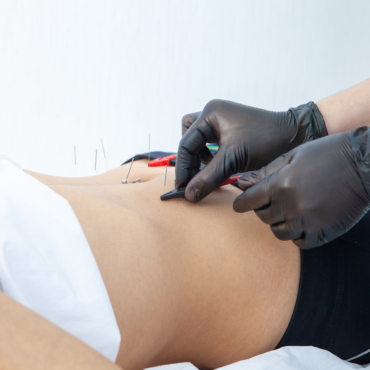
Acupuncture is an ancient therapeutic method of Traditional Chinese Medicine that uses fine needles applied to specific points on the body in order to restore the balance
of the body’s energy (Qi).
How Does Acupuncture Help with Anti-Aging?
In recent years, acupuncture has been gaining global recognition as a fully natural method of aesthetic rejuvenation that does not burden the body and does not distort
facial features. This approach aims to:
- Improve skin elasticity
- Reduce fine lines and wrinkles
- Enhance microcirculation and tissue oxygenation
- Stimulate collagen and elastin production (skin firming)
Benefits of Cosmetic Acupuncture
- Natural method – No chemical additives, facial distortion, or side effects
- Holistic action – Improves not only skin appearance but also energy levels and mood, promoting a sense of overall well-being
- Long-lasting results – With consistent sessions, benefits are maintained over time
Session Frequency
- Typically, one session per week for six weeks is recommended
- Followed by one maintenance session every 1–2 months
Indications for Cosmetic Acupuncture
Recommended when experiencing:
- Skin laxity and loss of firmness
- Dull or tired-looking complexion
- Facial edema or puffiness